Table of Contents
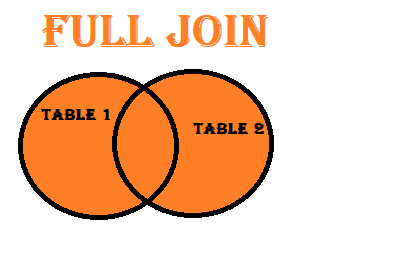
ToggleA FULL JOIN (also known as FULL OUTER JOIN) is a type of SQL join that returns all records when there is a match in either the left or right table. It combines the result of both the LEFT JOIN and RIGHT JOIN, returning rows where there’s a match and also the rows from each table without a match. In the case of non-matching rows, NULL values are filled in the missing columns.
The FULL JOIN returns all rows from both tables, and where there’s no match, NULL values are filled in for the missing part of the row.
Example: Consider a table of employees and a table of departments. The FULL JOIN will return all employees and all departments, even if some employees don’t belong to any department or some departments don’t have any employees.
SELECT columns
FROM table1
FULL JOIN table2
ON table1.column_name = table2.column_name;
Let’s use an example where we have two tables: employees and departments.
| EmployeeID | EmployeeName | DepartmentID | City |
|---|---|---|---|
| 1 | Rahul Sharma | 101 | Mumbai |
| 2 | Anjali Verma | 102 | Delhi |
| 3 | Karan Gupta | 103 | Bangalore |
| 4 | Priya Singh | NULL | Kolkata |
| DepartmentID | DepartmentName | HeadOffice |
|---|---|---|
| 101 | IT | Mumbai |
| 102 | HR | Delhi |
| 103 | Finance | Bangalore |
| 104 | Marketing | Chennai |
We can use the following SQL query to perform a FULL JOIN between the employees and departments tables:
SELECT employees.EmployeeID, employees.EmployeeName, employees.City, departments.DepartmentName, departments.HeadOffice
FROM employees
FULL JOIN departments
ON employees.DepartmentID = departments.DepartmentID;
| EmployeeID | EmployeeName | City | DepartmentName | HeadOffice |
|---|---|---|---|---|
| 1 | Rahul Sharma | Mumbai | IT | Mumbai |
| 2 | Anjali Verma | Delhi | HR | Delhi |
| 3 | Karan Gupta | Bangalore | Finance | Bangalore |
| 4 | Priya Singh | Kolkata | NULL | NULL |
| NULL | NULL | NULL | Marketing | Chennai |